
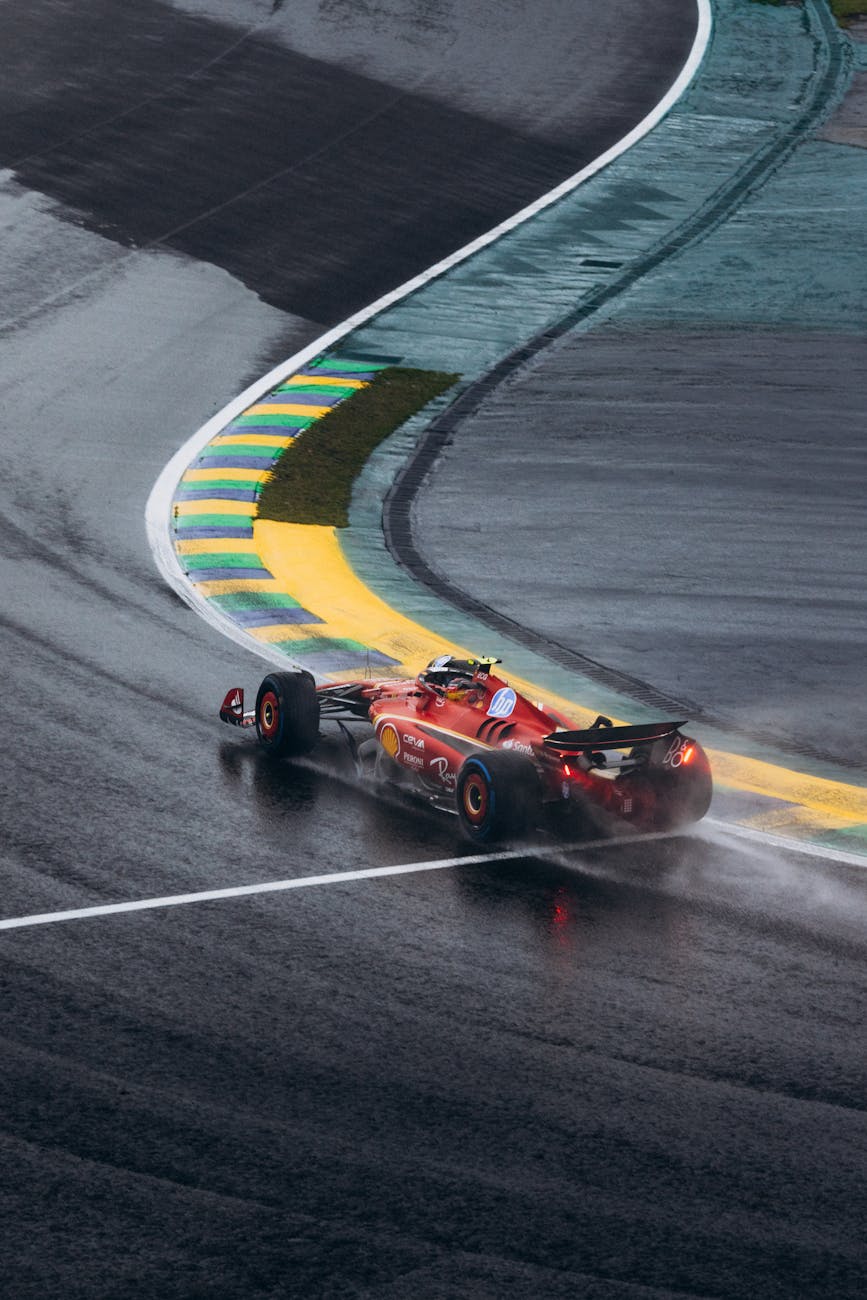
Formula 1 in 2026 isn’t just another season, it ushers in a wholly new era. After years of incremental change, the sport is about to experience one of its most significant transformations, altering how cars look, perform, and how teams and drivers strategise. For fans, it promises innovation, unpredictability, and the kind of reset that could reshape the competitive landscape almost overnight.
At the heart of 2026 are sweeping regulations aimed at three main goals: sustainability, closer racing, and greater relevance to modern road-car technology. The cars will be smaller, lighter, and more agile, addressing long-standing concerns about bulk and weight. Aerodynamics are being completely reimagined, with active systems allowing wings to shift between high-downforce for corners and low-drag for straights. The familiar DRS is gone, replaced by a driver-controlled system combining aerodynamic changes with electrical energy deployment, making overtaking more strategic and dependent on driver judgement.
The biggest change comes in the power units. The 1.6-litre turbo V6 remains, but hybrid power now accounts for roughly half of a car’s performance, up from around 20% today. All cars will run on fully sustainable fuel, reinforcing F1’s commitment to environmental responsibility. This isn’t about slowing the sport; it’s about redefining performance for an era where efficiency and innovation matter as much as speed.
These changes have reignited manufacturer interest. Ferrari and Mercedes remain key players, Renault continues its long-term involvement, Honda returns as a works partner, Red Bull runs its own power unit with Ford, and Audi finally enters as a factory team. Success will hinge on how well teams integrate complex hybrid systems with chassis design.
On the grid, the established teams remain central. Red Bull looks to Max Verstappen to carry forward its dominance, Mercedes sees the reset as a chance to reclaim its edge, Ferrari aims to finally match its ambition with performance, and McLaren continues its resurgence. At the same time, new entries like Audi and other teams add unpredictability, with line-ups combining seasoned champions and hybrid-era talents. Mastery of energy management, active aero, and strategic racecraft will be crucial.
To help fans understand the technical changes, F1 and the FIA have updated terminology for new systems. “Overtake mode” replaces DRS, giving drivers a burst of electrical energy to assist overtakes. “Boost mode” allows tactical energy deployment from the hybrid system, while active aero adjusts wing angles for drag and downforce, and “Recharge” recovers energy through braking or coasting.
Cars themselves are smaller and lighter, with shorter wheelbases and narrower tyres, while downforce is reduced by 15–30% and drag cut by 40%. The hybrid systems are simplified with the removal of the MGU-H, emphasising a roughly 50-50 split between engine and electric power.
Ultimately, 2026 shows Formula 1 at its most authentic: evolving, risky, and open to reinvention. Some teams will adapt quickly, others slowly, but that uncertainty is what makes it compelling – a fresh story, starting from a bold new line rather than from zero.
 John Ager's Home on the Web!