
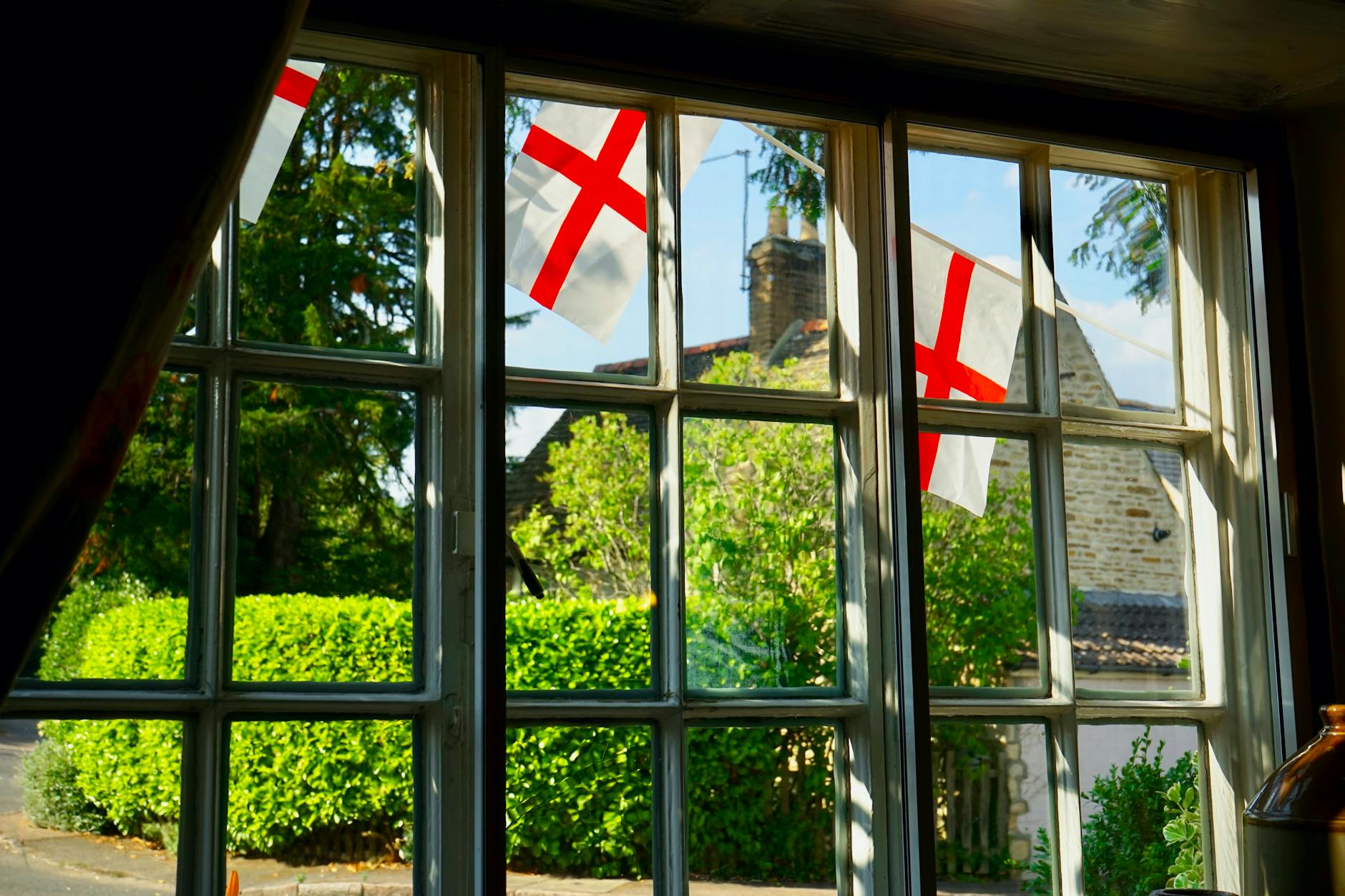
The Raise the Colours campaign in the UK (Summer 2025) was presented as a simple celebration of English identity, yet the evidence surrounding its organisation, its supporters, and the reactions of affected communities pointed to something more troubling.
Far-right groups, including Britain First, donated flags and promoted the movement, creating an atmosphere in which a patriotic gesture was easily co-opted into a display of dominance. Councils and community groups warned that the campaign risked intimidating already marginalised communities, especially where its supporters had been linked to anti-migrant activism and street intimidation.
Reports from Birmingham and other towns described residents feeling unsettled as groups of men arrived to plant flags, sometimes accompanied by harassment or racist language. Anti-racist organisations called the movement a coordinated attempt to unsettle asylum seekers, migrants, and Muslims, noting that it often appeared alongside anti-migrant protests. This sense of threat wasn’t imagined: attacks on mosques involved English and British flags, folded into a wider narrative of Christian-nationalist hostility rather than civic pride.
Surveys showed the depth of mistrust. Around half of ethnic minority adults in the UK said the St George’s flag had become a racist symbol, with even higher numbers among British Muslims. When a symbol was experienced this way by the very people it claimed to represent, its widespread and unsolicited display felt less like celebration, and more like a warning.
Taken together, these reports, perceptions, and patterns made it clear that Raise the Colours wasn’t simply about patriotism; for many, it carried the weight of exclusion, pressure, and fear.
 John Ager's Home on the Web!