
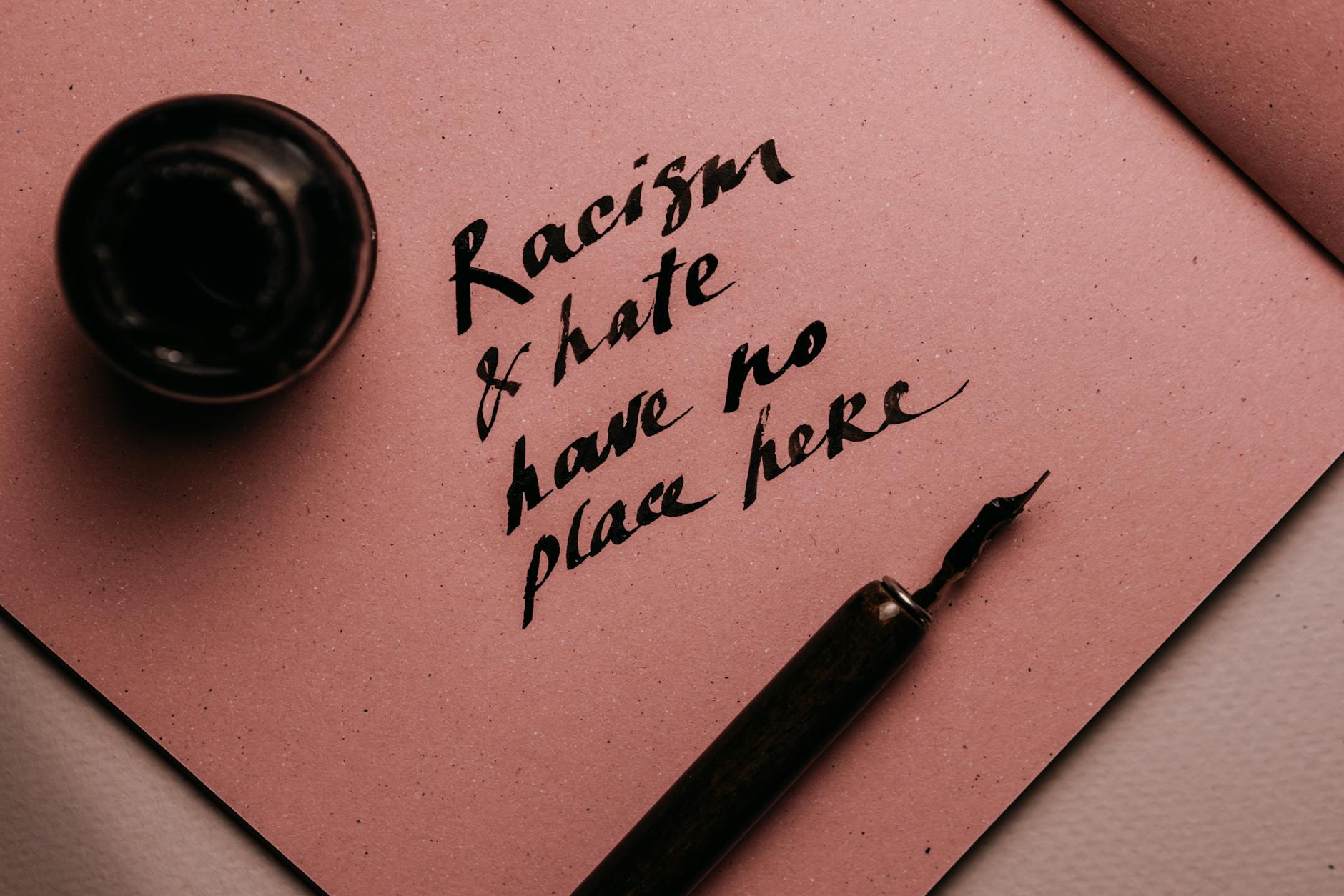
It struck me again this morning how quickly the boundaries of acceptable public discourse have shifted. For years, it felt as though the UK was making genuine progress in challenging racism and nurturing a more generous, inclusive spirit. There was a shared sense that, while we weren’t perfect, we were moving in the right direction, learning to speak with more care, and recognising the dignity of every neighbour. Yet the regression we’re witnessing didn’t appear out of nowhere. You can trace a clear line back to the years of Brexit campaigning, when inflammatory language became normalised, and figures like Nigel Farage helped move harsh, exclusionary rhetoric from the fringes to the centre of national debate.
Once that boundary was crossed, others followed. What used to be unsayable in public life is now spoken without hesitation, and often with applause. Reform UK, along with a handful of MPs and public commentators, can now voice plainly racist ideas with little, or sometimes no, consequence. The moral guardrails that once held firm seem to have weakened, and we’re left facing a culture in which prejudice is treated as a legitimate political stance rather than a breach of the values we claim to cherish.
It’s painful to watch, because it reminds us how fragile progress can be, and how easily it’s undone when fear is stirred, and division is rewarded. Yet naming what’s happening matters, because racism thrives in silence. If we’re to rebuild a kinder, more truthful public square, we’ll need the courage to call out the rot, to speak with honesty, and to keep insisting that a better, more generous Britain is still possible.
 John Ager's Home on the Web!