
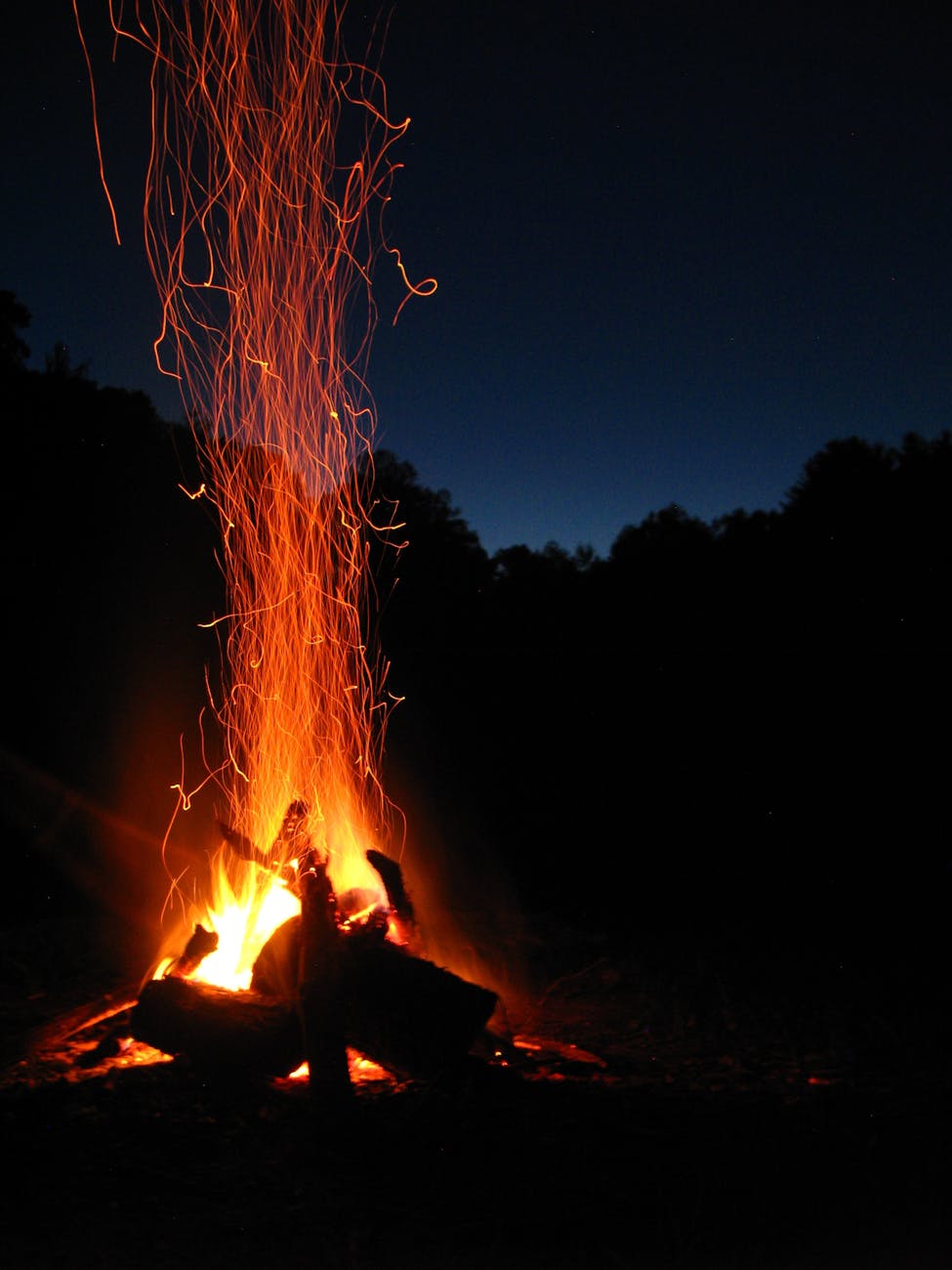
Every year on the 5th of November, skies across Britain come alive with fireworks, bonfires, and the smell of burning wood and toffee apples. Bonfire Night, or Guy Fawkes Night, is one of the nation’s most distinctive traditions, an autumn ritual of light, noise, and remembrance with roots that go back over four centuries.
Its story begins in 1605, during the reign of King James I. A group of English Catholics, angered by the King’s refusal to grant them greater religious tolerance, plotted to blow up the Houses of Parliament during its State Opening. Their aim was to kill the King and much of the Protestant establishment, hoping to spark a Catholic uprising. Among the conspirators was Guy Fawkes, an experienced soldier who’d fought for Catholic Spain. He was the one chosen to guard the barrels of gunpowder hidden beneath the House of Lords.
But the plan was discovered. An anonymous letter warned a nobleman to stay away from Parliament, and in the early hours of 5th November, Fawkes was caught red-handed in the cellar. He was tortured, forced to reveal the names of his fellow plotters, and later executed. The failure of the Gunpowder Plot was celebrated across the country as divine deliverance, and Parliament soon passed a law making 5th November a day of thanksgiving.
Early observances were deeply political, bonfires symbolised victory over treason, and effigies of the Pope were burned. Over time, however, the focus shifted. By the 18th century, communities were lighting bonfires, setting off fireworks, and parading homemade “Guys” through the streets for pennies. The religious animosity faded, replaced by something more communal and festive.
Today, Bonfire Night is a blend of history and celebration. The flames that once marked political survival now bring people together in parks and gardens, sharing sparklers, hot chocolate, and stories from a past that shaped the nation. As the fireworks burst overhead, it’s a reminder of the fragile balance between faith and power, rebellion and unity, and how history can be retold not through hatred, but through light.
 John Ager's Home on the Web!