
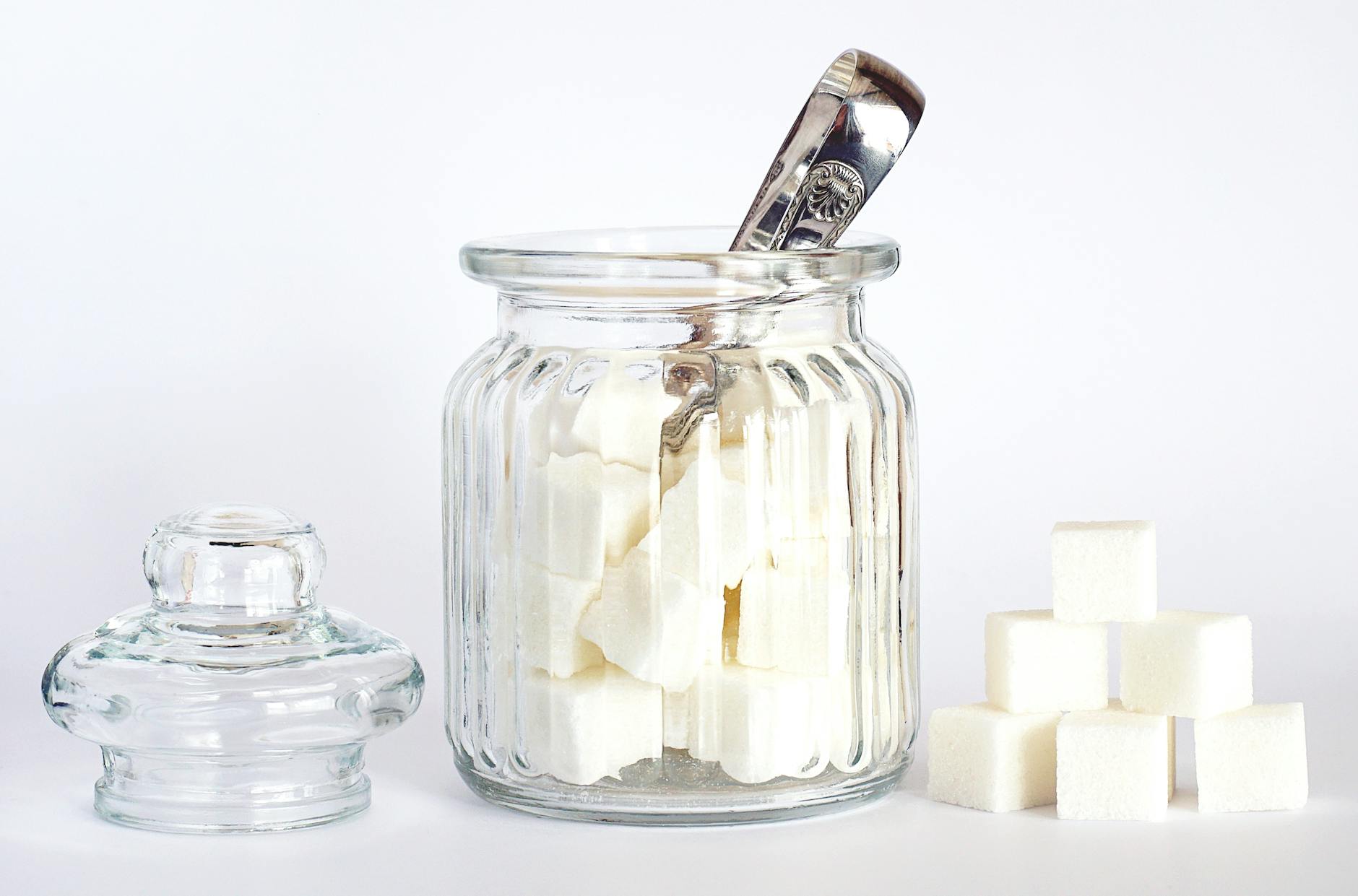
When food manufacturers label a product “low fat”, they should probably be obliged to also label it ‘high sugar’. For decades, the food industry has ridden the wave of fat-phobia, convincing consumers that cutting fat automatically means eating healthily. Yet, in reality, the fat often removed for marketing appeal is replaced by sugar or refined carbohydrates to maintain taste and texture. The result isn’t a healthier product, but one that can be just as (if not more) damaging to our bodies.
Fat, especially unsaturated fat, is essential for energy, hormone balance, and nutrient absorption. Sugar, on the other hand, offers empty calories and can wreak havoc on our metabolism when consumed excessively. The problem is that consumers trying to make responsible choices are often misled by selective labelling. “Low fat” sounds virtuous, but without full disclosure, people may unknowingly choose foods that spike blood sugar and contribute to weight gain, diabetes, and heart disease.
If honesty were the rule rather than the exception, a “low fat” label would have to sit alongside a clear statement of sugar content; ideally in simple, visible language rather than fine print. People deserve to know what they’re eating without needing a degree in nutrition. Transparency shouldn’t be optional; it’s a matter of public health. Perhaps then, we’d think twice before assuming that “low fat” yoghurt or cereal bar is a healthy choice, and start valuing balance, moderation, and genuine nourishment over clever marketing.
 John Ager's Home on the Web!