
Probably no story from the lips of Jesus is more familiar than the Good Samaritan, yet its beauty can blind us to its sting. Jesus told it in reply to a lawyer who asked, “Who is my neighbour?” The lawyer wanted to limit responsibility, to justify avoiding certain people. Instead of argument, Jesus gave a story that left no room for debate.
He took the man, and us, to the dangerous Jericho Road, showing someone beaten and left for dead. A priest and a Levite passed by, men expected to help but who chose not to. Then came the shock: the rescuer was a Samaritan, one despised by Jews. The Samaritan saw, had compassion, and acted. His mercy broke through centuries of hatred. Luke 10:25-37
That hatred stretched back to the Assyrian invasion of the northern kingdom in 720 BC, when those left behind intermarried with foreigners. To strict Jews this was unforgivable, and when the exiles later returned from Babylon the Samaritans were rejected as corrupt. A rival temple on Mount Gerizim deepened the division, and by Jesus’ day the hostility between Jew and Samaritan was centuries old and bitter.
The Samaritan’s compassion mirrors God’s love in Christ. Humanity lies broken by sin, and Jesus stoops to lift us, binding our wounds and restoring life. That’s the deeper meaning: the Son of God came near, not with words only, but with saving action.
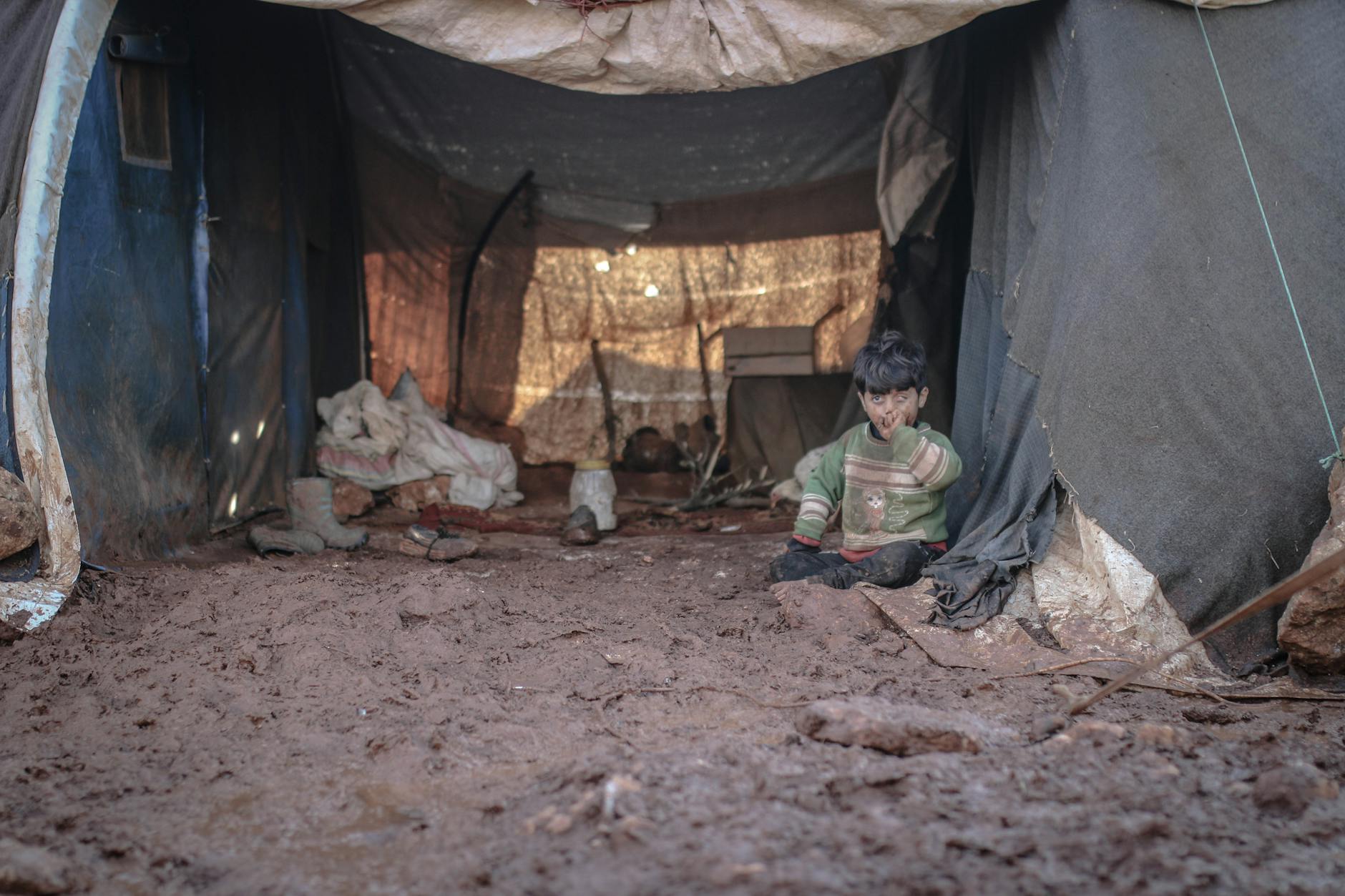
To hear the story afresh, picture a young man attacked in a city street. A respected leader drives past, a minister hurries on, afraid. Then someone society might scorn, a refugee, or a young Muslim woman, stops, tends his wounds, calls for help, and waits with him. That’s the parable alive today: love that crosses boundaries of race, religion, and status, showing mercy simply because someone is in need.
Jesus ends with the simple command: “Go and do likewise.” He makes it plain, love doesn’t draw boundaries or ask, “Who is my neighbour?” It doesn’t make excuses. Yet we can’t imitate the Samaritan by sheer effort. We need the love of God within us, transforming us until mercy flows naturally from our hearts.
The parable is both challenge and gift. It tells us that every wounded soul is our neighbour, and that God himself has first been neighbour to us. Having received his compassion, we’re called to let it shape our lives, so that at any turn in the road we may meet need with love.
 John Ager's Home on the Web!
https://mattluchi38421.blogspot.com/2025/10/nothing-significant-happened-today.html