
Remembrance Sunday is observed on the second Sunday in November in the UK and some Commonwealth nations. It’s a day to honour and remember the sacrifices made by those who lost their lives in times of war. It holds deep significance for Christians, interweaving both historical and spiritual elements in its observance.
At the heart of the Christian faith lies the principle of love, echoed in Jesus Christ’s teachings to “love your neighbour as yourself.” Remembrance Sunday aligns with this core belief, emphasising the sacrificial love shown by soldiers and civilians who laid down their lives for the well-being of others. Christians view this sacrifice as reflective of Christ’s own sacrificial love, embodied in his death on the cross.
For many Christian denominations, the act of remembrance itself is profoundly rooted in their faith. It’s a time to reflect on the virtues of courage, selflessness, and service exemplified by those who served in the armed forces. Christians recognise and honour the dedication and commitment of these individuals, echoing Christ’s message of service to others.
Church services on Remembrance Sunday often incorporate themes of peace, reconciliation, and the call for a world free from conflict. The prayers and hymns during these services focus on the hope for peace, drawing inspiration from biblical passages that speak of peace and the cessation of violence. It’s a moment to pray for global peace and for the families who continue to suffer due to the consequences of war.
The act of remembrance, marked by the two-minute silence at 11.00 am, stands as a solemn acknowledgment of the sacrifice made by so many. This silence is an act of collective honour and gratitude, echoing the Christian value of reverence, humility, and thankfulness.
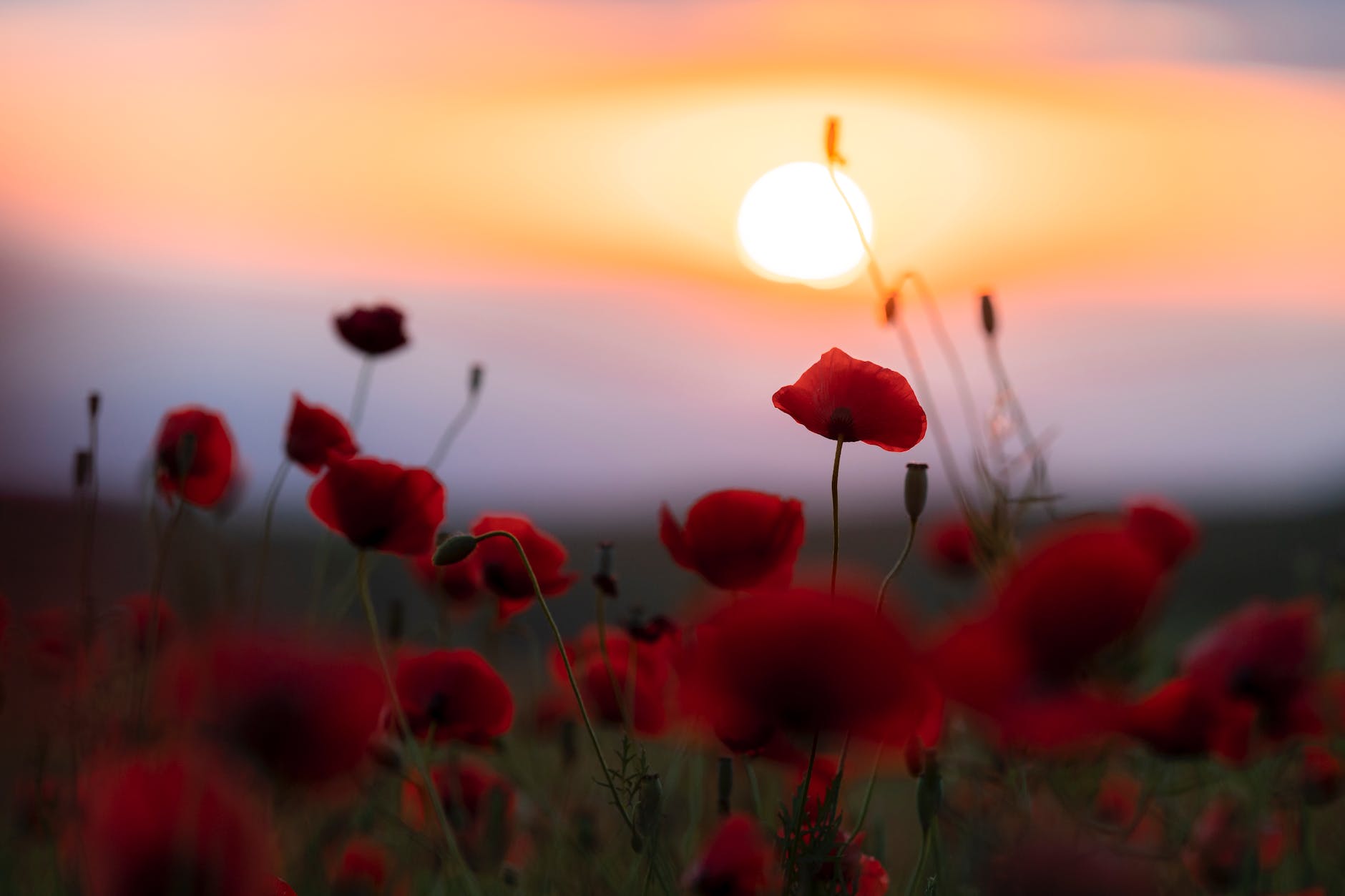
Moreover, the red poppy, often worn during this time, symbolises both loss and hope. While it signifies the bloodshed and sacrifices of war, it also represents the hope for a peaceful future. In a Christian context, the red poppy can be likened to the redemptive nature of Christ’s sacrifice, offering hope and renewal even in the face of immense suffering.
The Christian perspective on Remembrance Sunday also incorporates a plea for learning from history. It encourages reflection on the tragic consequences of war and the importance of pursuing peace, justice, and reconciliation. This aligns with the Christian ideals of forgiveness and understanding, emphasising the need to work towards preventing conflict and promoting harmony in society. Some wear a white poppy for this reason.
Ultimately, for Christians, Remembrance Sunday is a time to pay homage to the fallen, to reflect on the virtues of sacrifice, courage, and service, and to recommit to the pursuit of peace in a world often marred by conflict. It’s a day that highlights the interconnectedness of remembrance, faith, and the aspiration for a future guided by love, harmony, and unity.
 John Ager's Home on the Web!